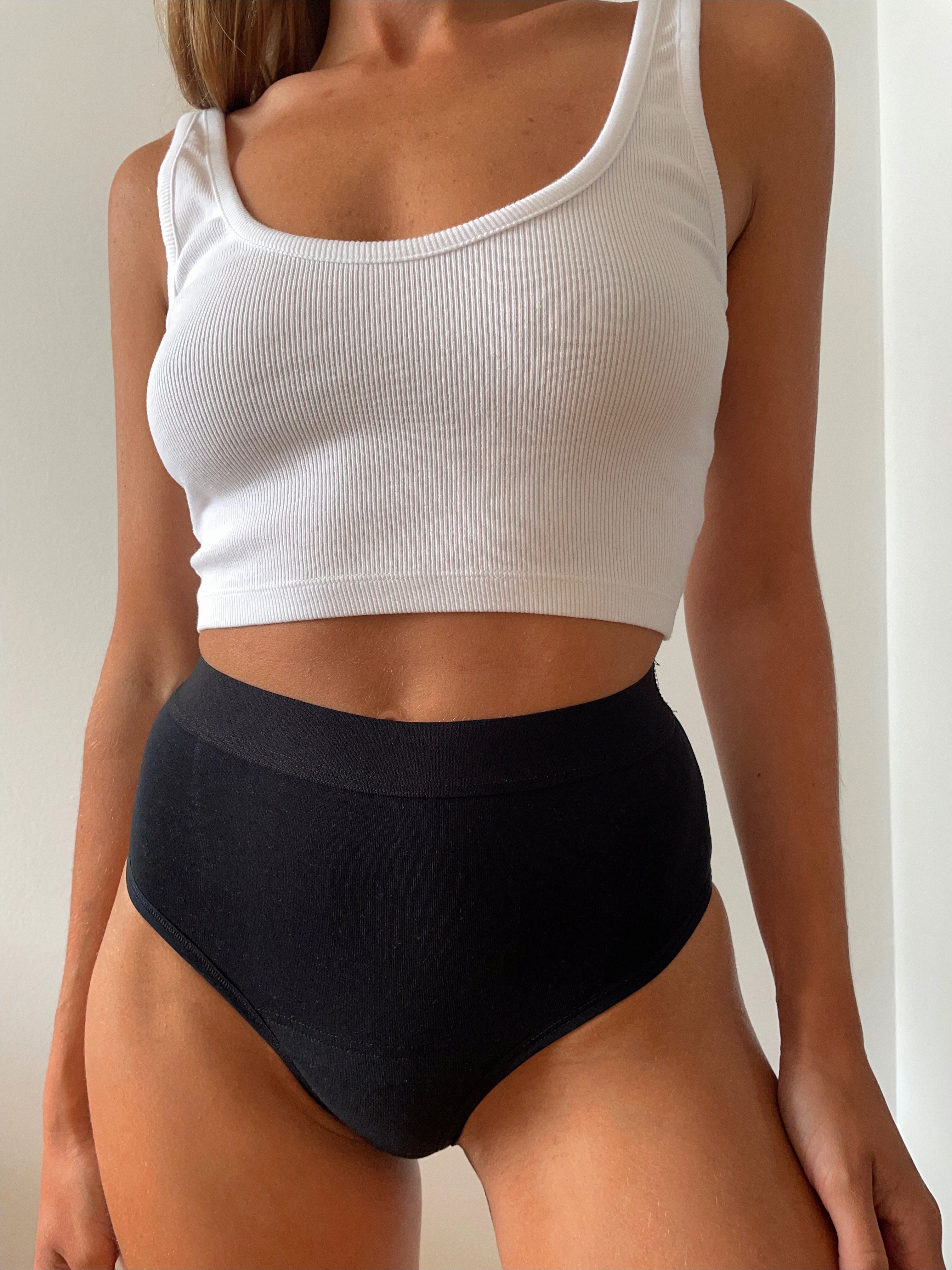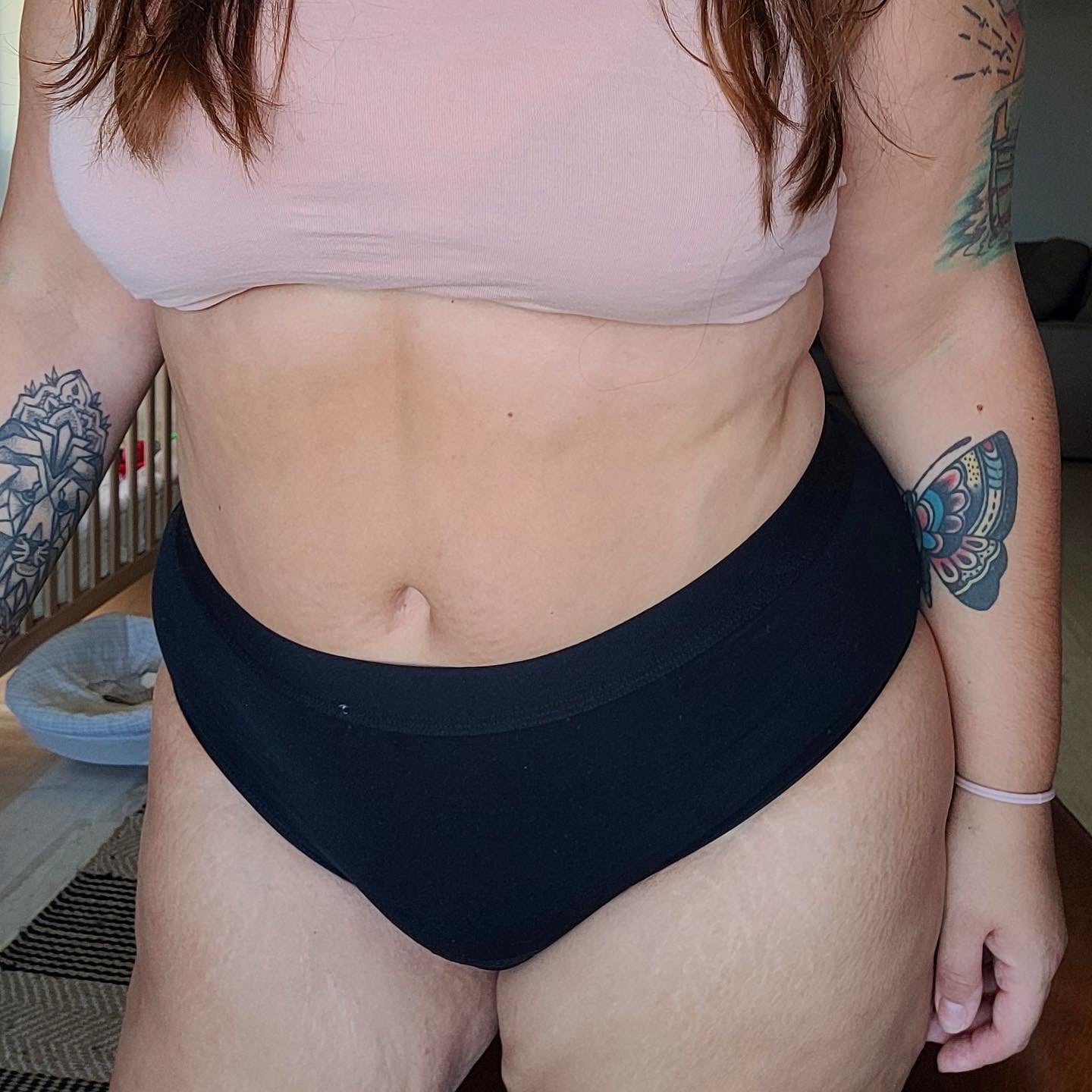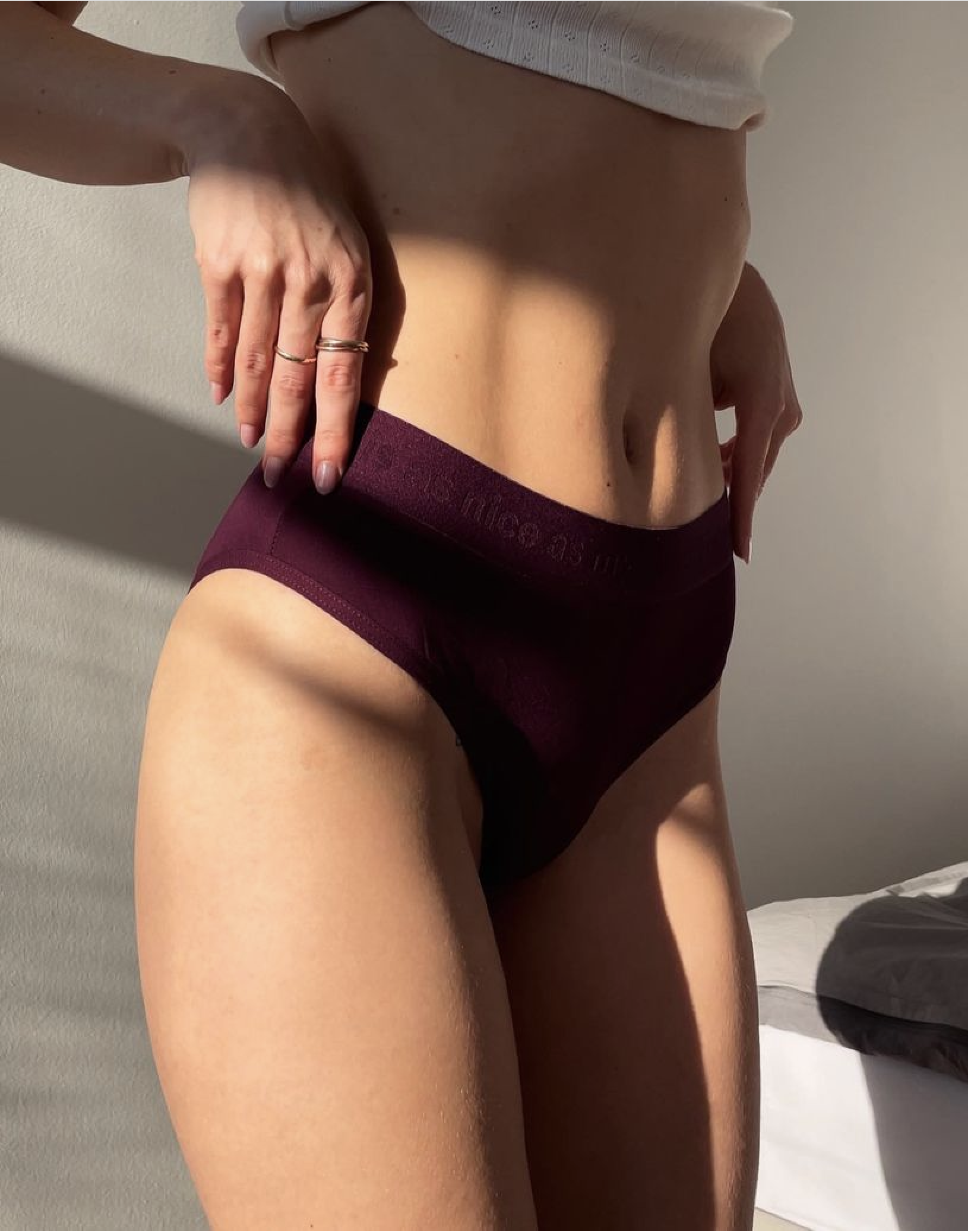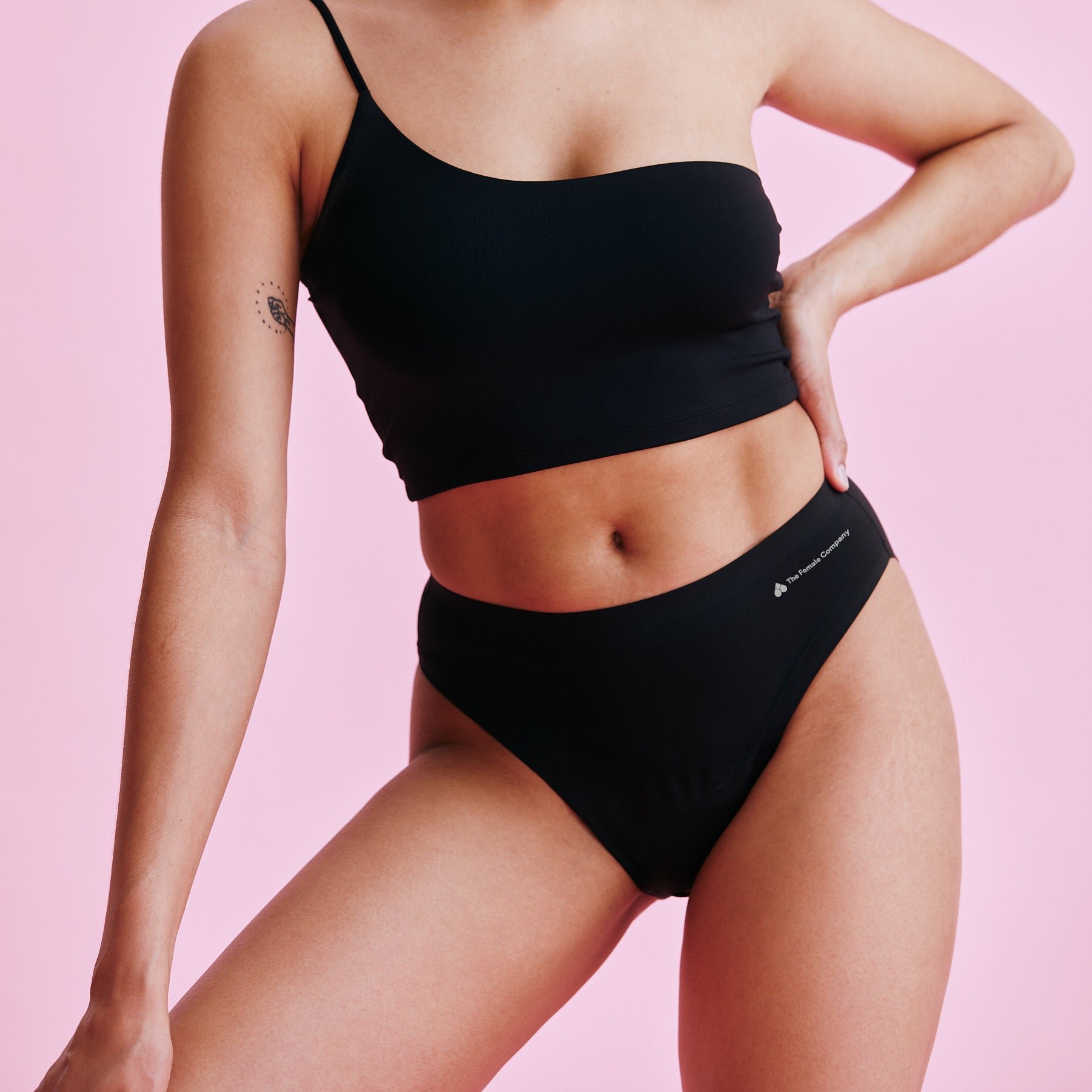

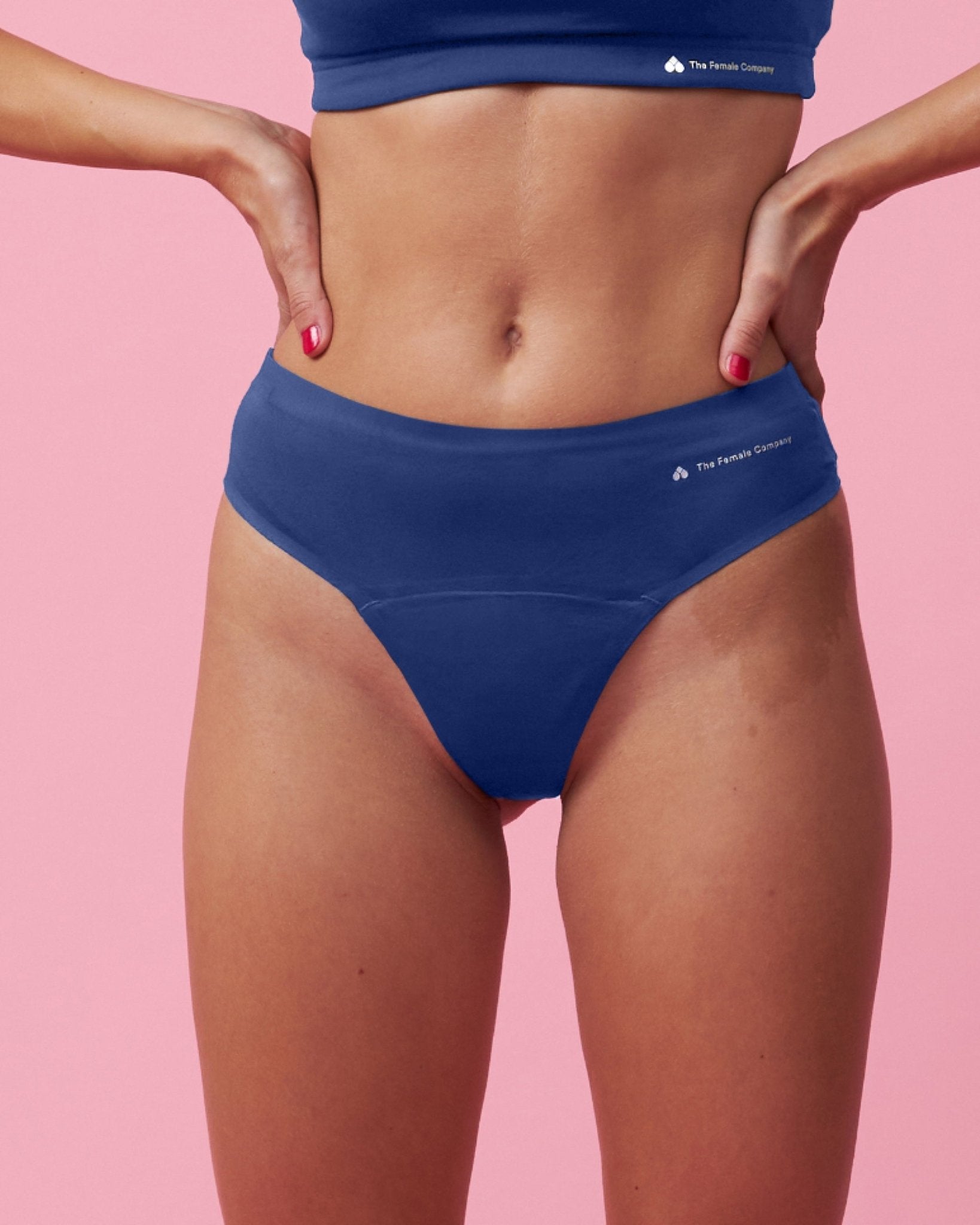

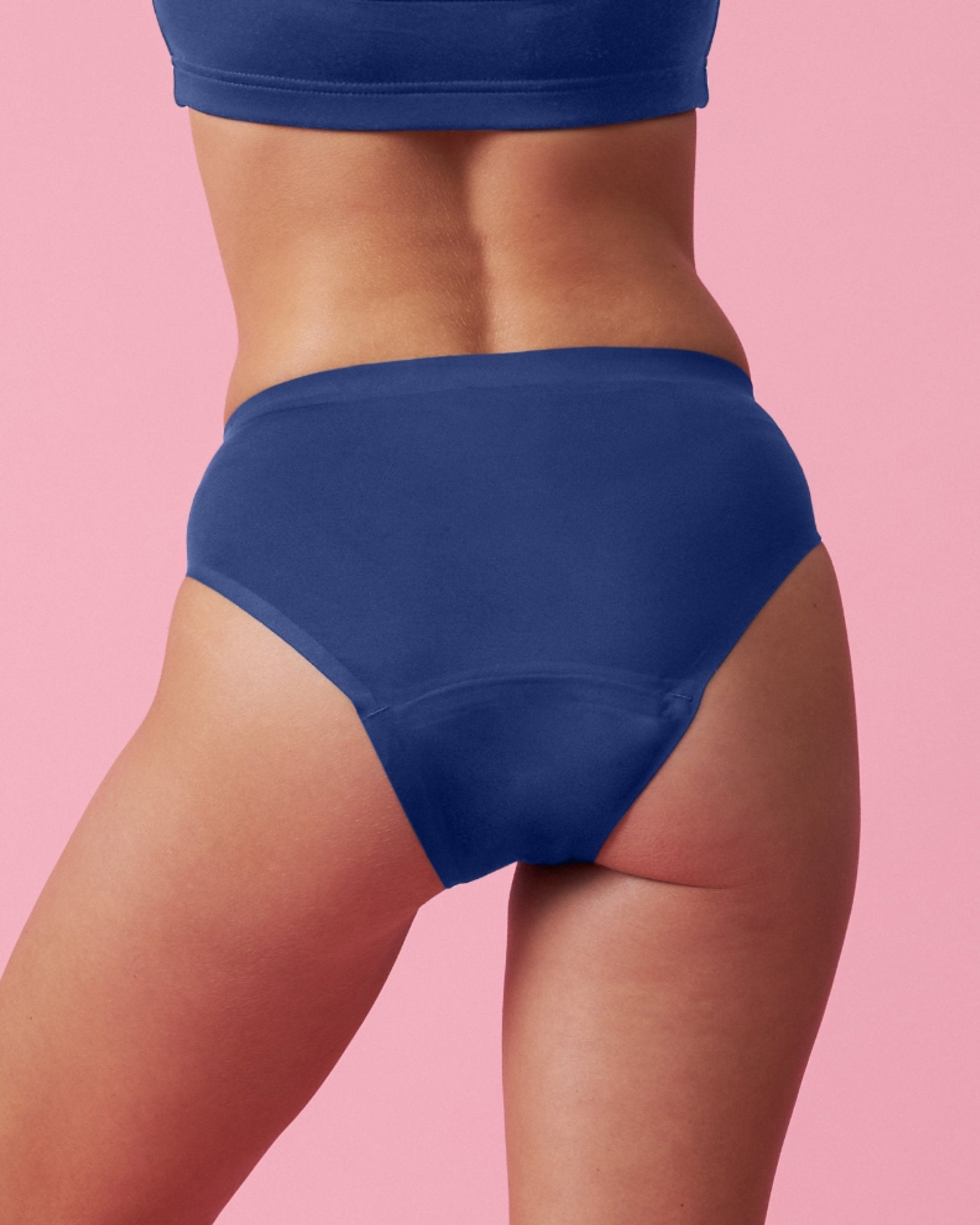
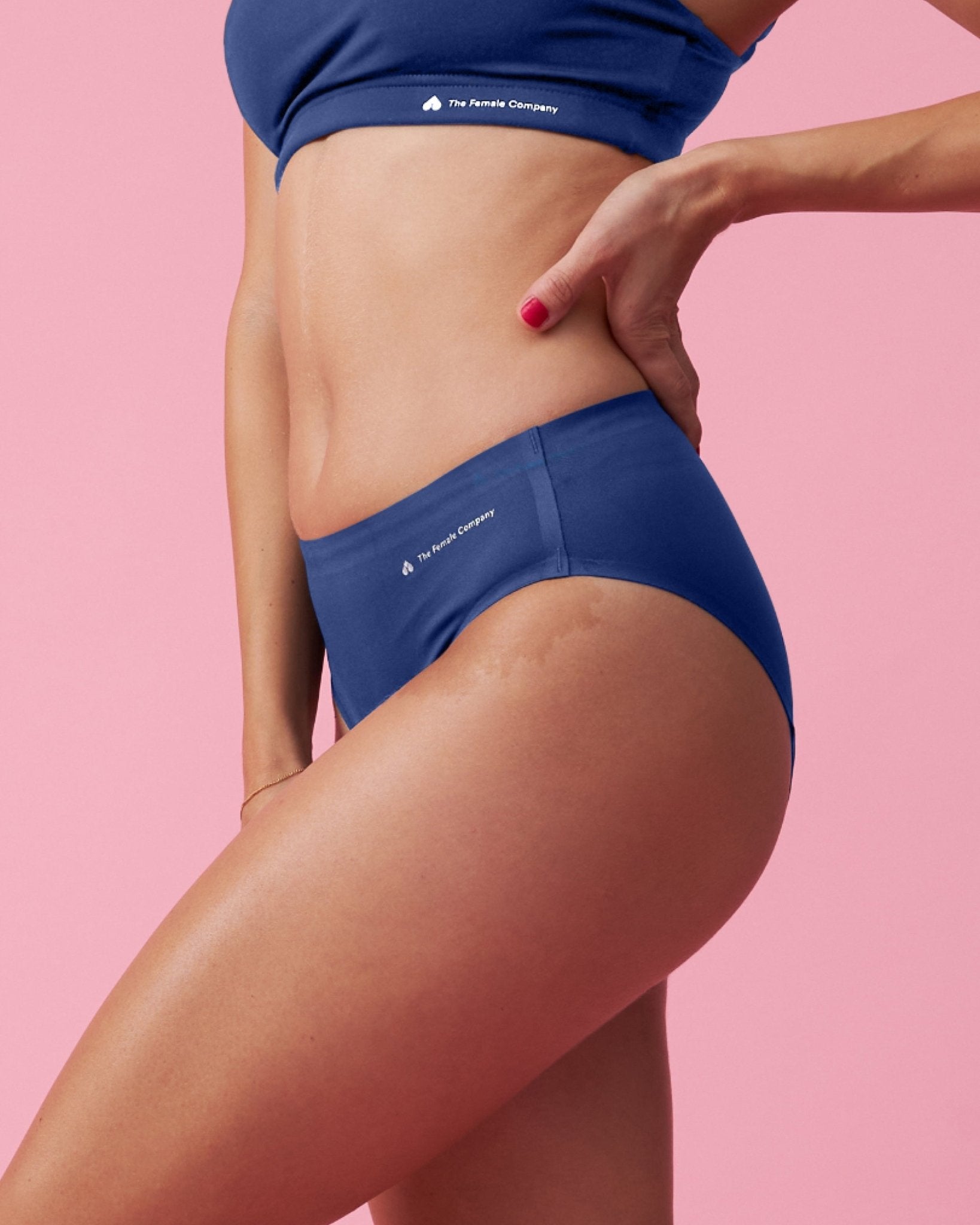


Period Panty – Ultra Strong – Brief SEAMLESS
Size


Empowering Periods: Experts in Period Products – The Female Company has sold over 1.5 million period panties. 🏆 Tested for over 1,000 harmful substances, free from biocides, free from PFAS, OEKO-TEX 100 certified. 🌱
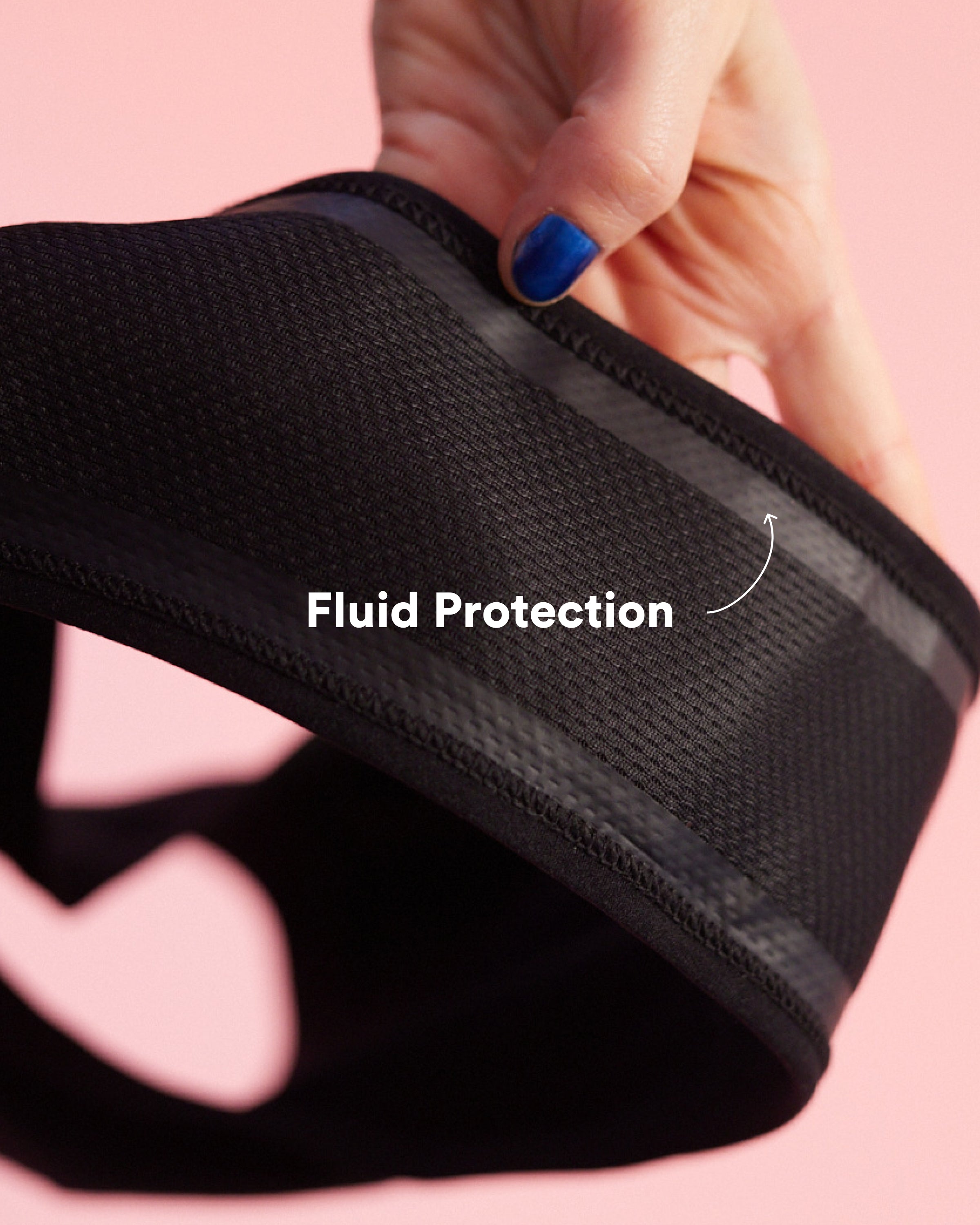
Fluid Protection Prevents side leakage with innovative Fluid Protection seam processing.
Material
Outer Fabric: 88% Polyester (recycled), 12% Elastane
Absorbent Insert:
Absorbent Membrane: 100% Polyester (biodegradable)
Terry Absorbent Core: 100% Polyester (biodegradable)
Leak-proof Membrane: 100% Polyester (biodegradable), 100% Polyurethane (recycled)
- Free from biocides & hygienic
- Without pesticides
- Vegan & cruelty-free
Certifications
 | Hohenstein Certified Tested and certified by the Hohenstein Institute, the leading European research & testing institute for textiles (FEMTECHMAS-6513-1:2022 - Size 38). |
 | OEKO-TEX® Standard 100 Certified free of harmful substances and manufactured in an environmentally friendly & socially sustainable manner. |
- Wash your period panties by hand with cold water to loosen the blood.
- Then simply throw them into the gentle cycle of your washing machine with similarly colored laundry.
- Wash your panties at 40 degrees (from time to time you can also wash them at 60 degrees).
- It's best to use mild detergent and avoid fabric softener in order to protect the fibers of your panties and maintain maximum absorbency.
- Then just let them air dry .
Changing the world – one period at a time
Less period waste
On average, every menstruating person uses around 16,800 period products in their lifetime. Disposable products alone generate more than 20,000 tons of waste in Germany alone.
Sustainable alternatives, such as period panties, can completely replace disposable products such as tampons and pads.
They are
- washable
- made from sustainable materials and
- reusable
Lower water consumption
Although the Period Panty needs to be washed, water consumption is minimal compared to making disposable products.
Sustainable materials
We only use organic cotton, which is produced under controlled organic cultivation (kbA) and is therefore strictly GMO-free and grown without the use of synthetic herbicides, pesticides and fertilizers.
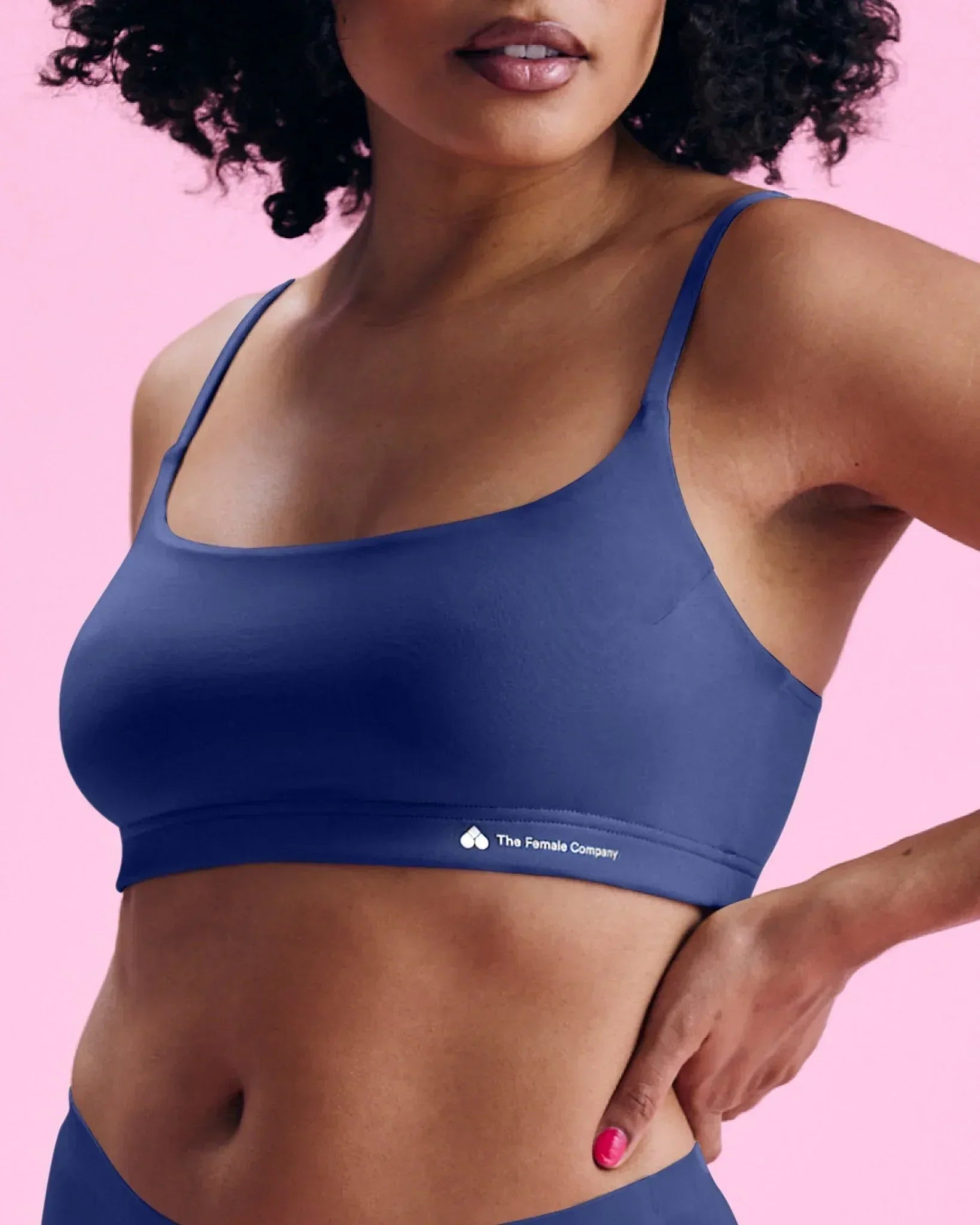
Complete the Look
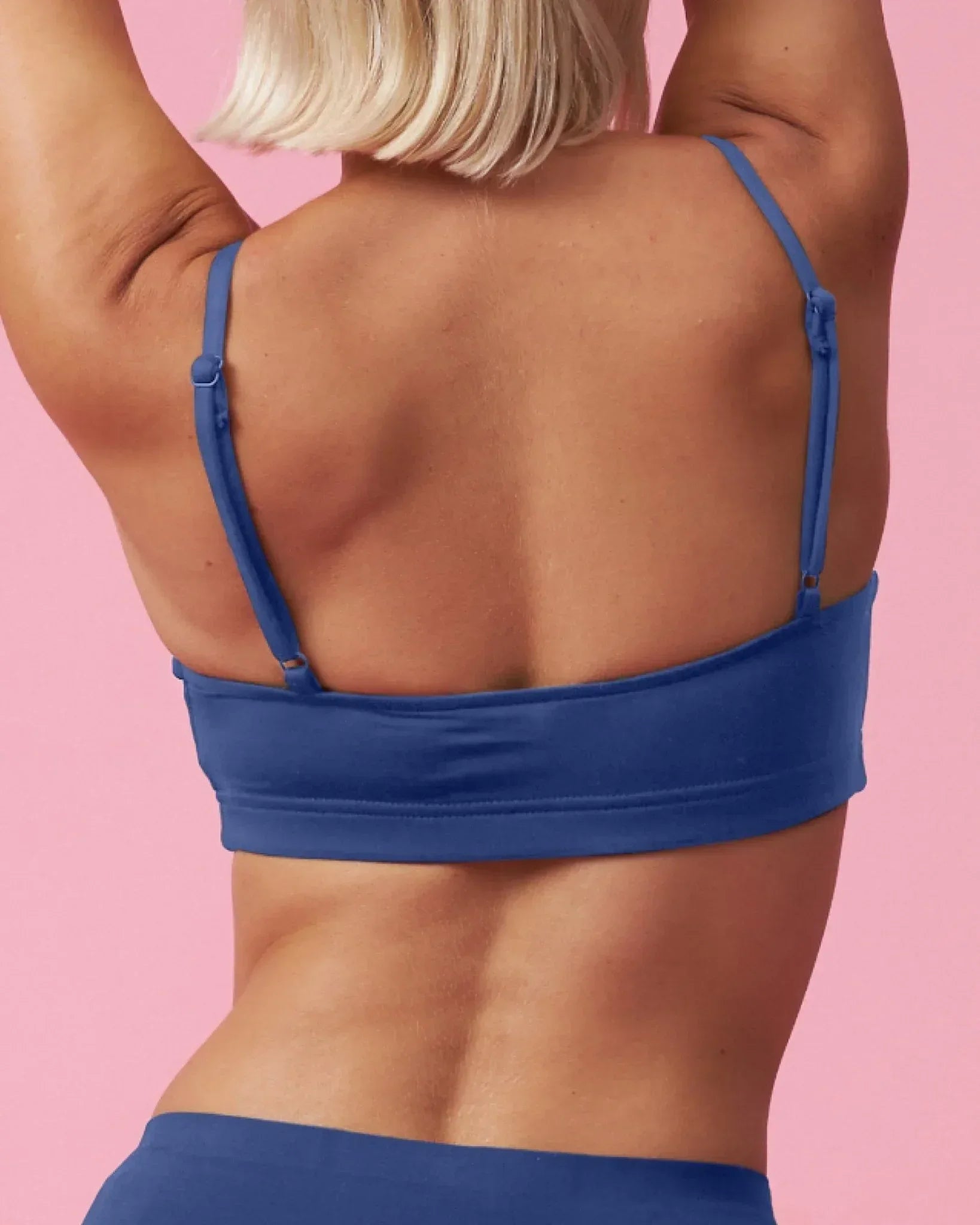 - 35%
- 35%
Size
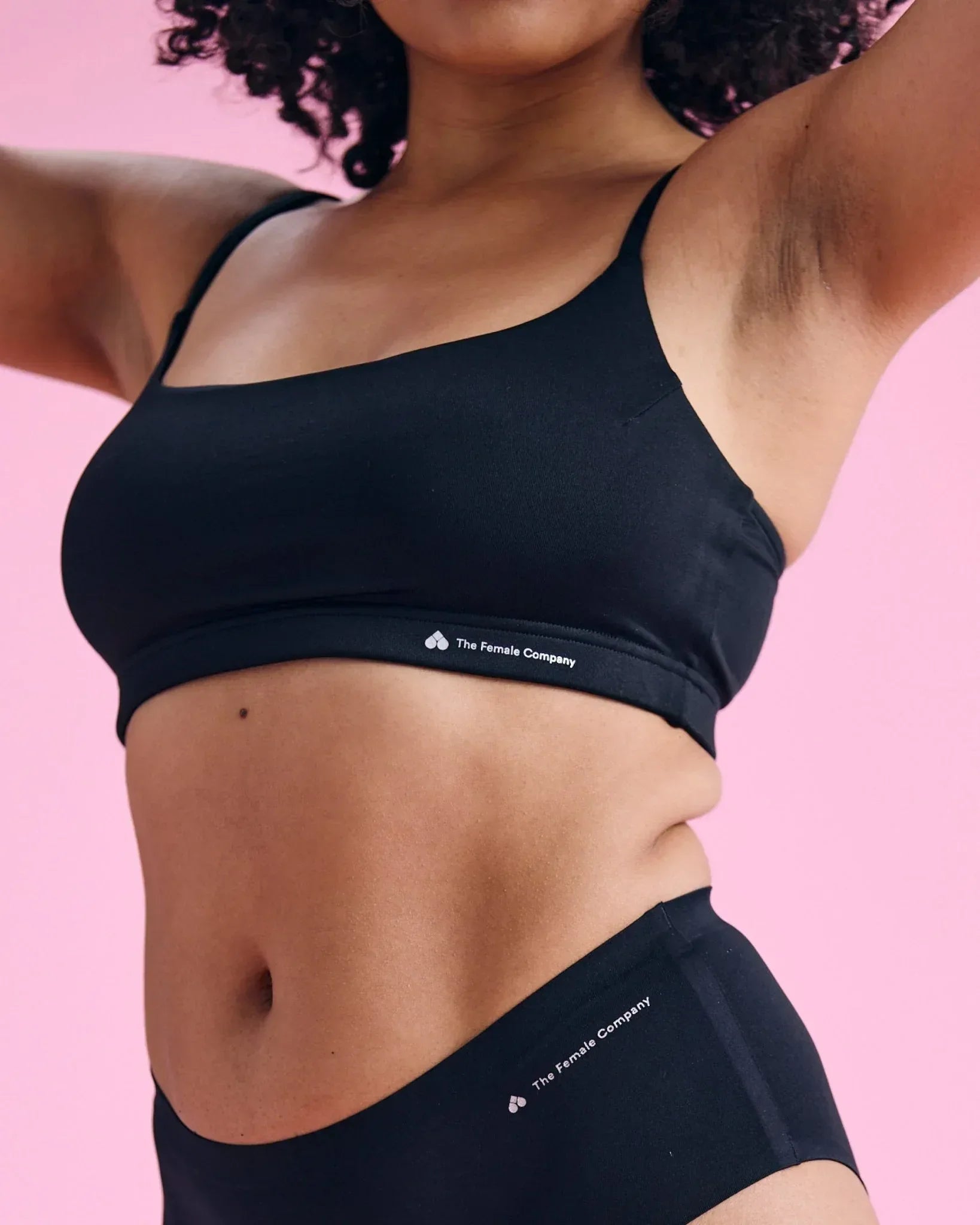
 - 35%
- 35%
Size
Default mode: dry pantys
Stay Dry Layer Technologie™
Developed in collaboration with textile engineers and gynecologists: just 1 mm thicker than regular underwear and the most effective seamless period panty on the market.
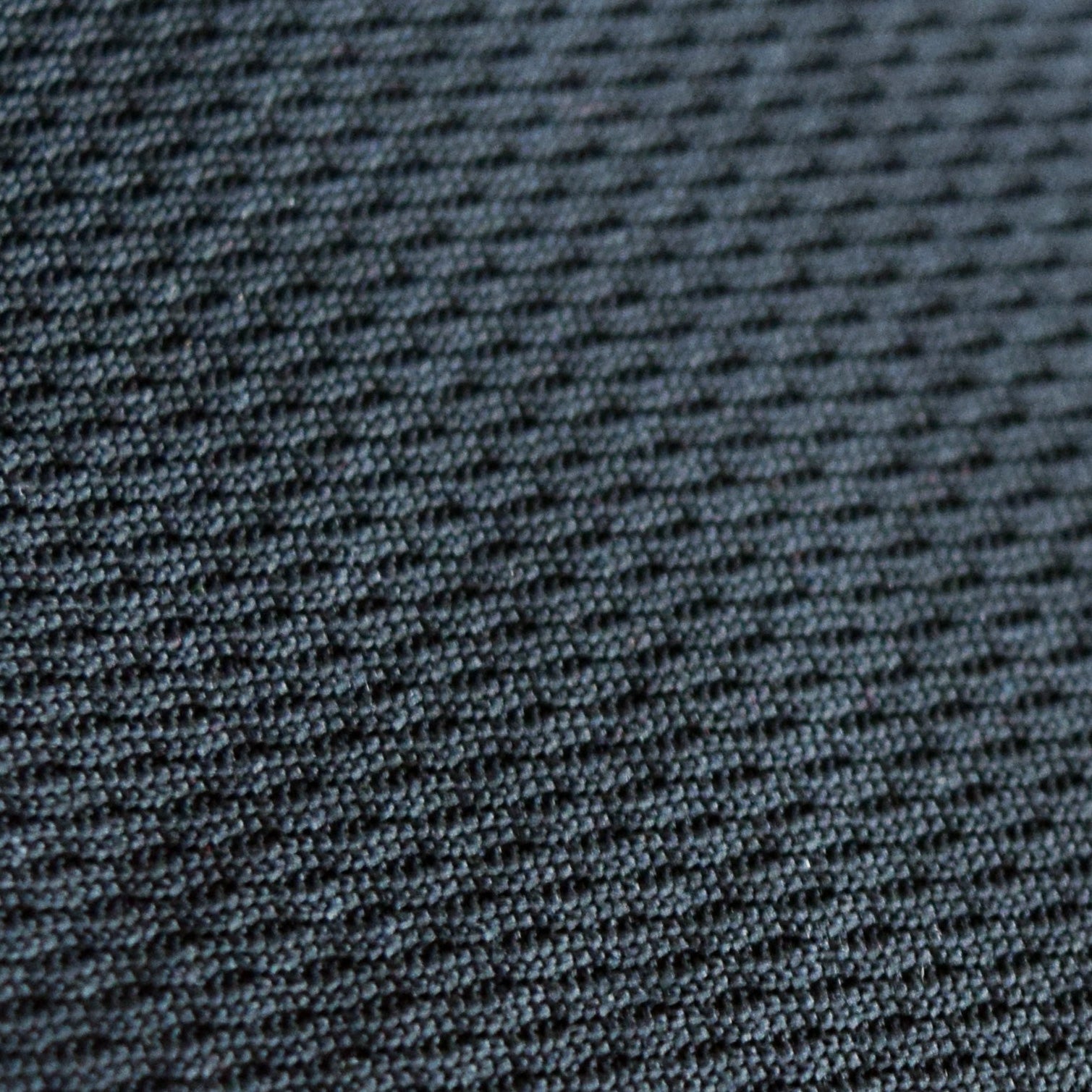
Layer 1: Stay Dry Layer™
Absorbs liquid in a split second and dries in just a few seconds.
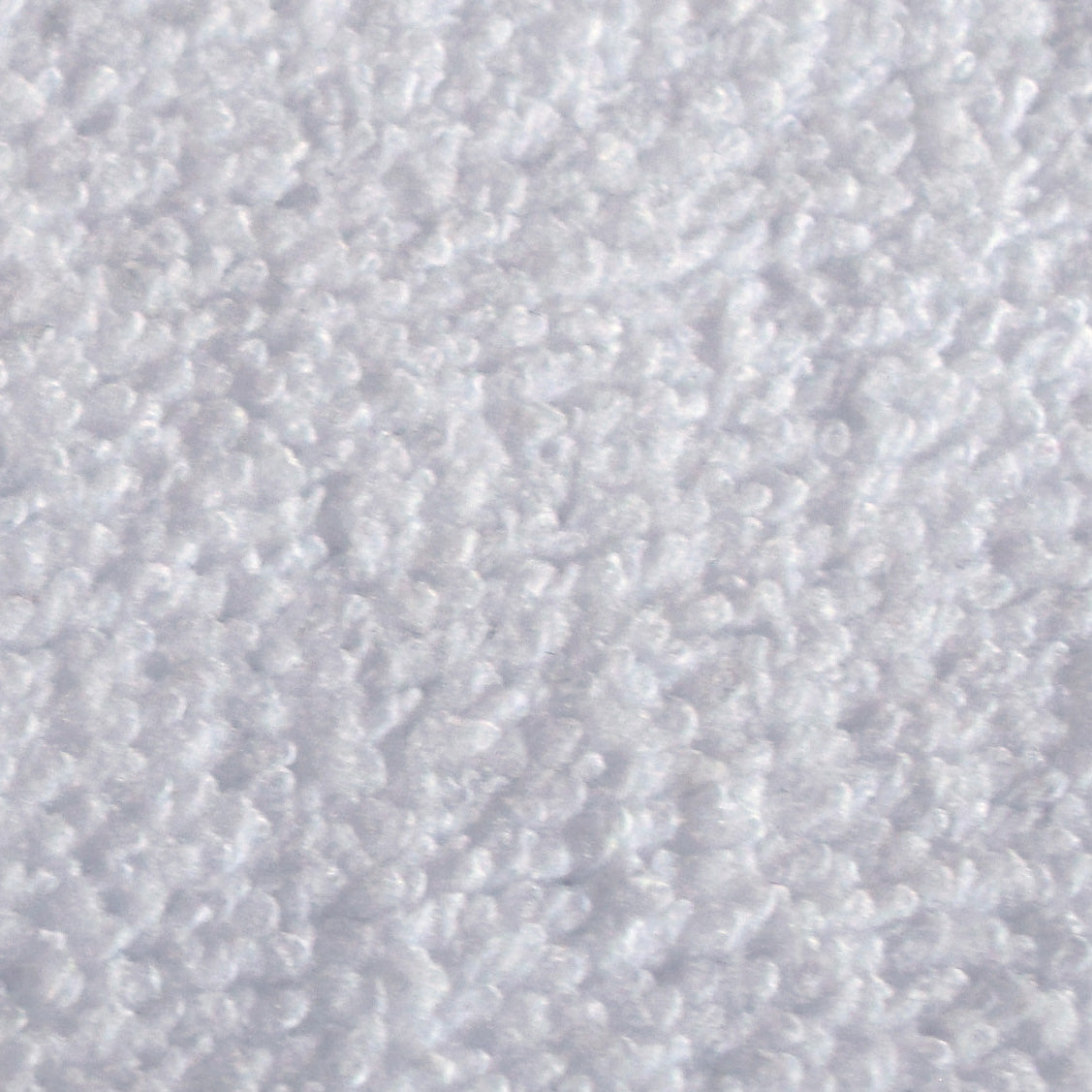
Layer 2: Ultra-Absorbent Layer
Holds the liquid and seals it securely.

Layer 3: Waterproof Membrane
Ensures there is absolutely no risk of leakage, even when worn for extended periods.
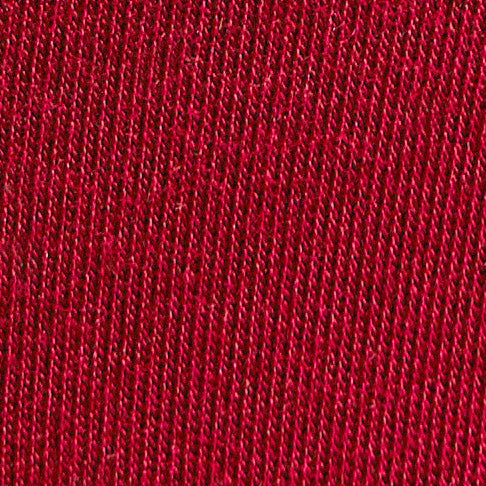
Layer 4: Super Soft
Super-soft outer fabric for an extra-comfortable feel.
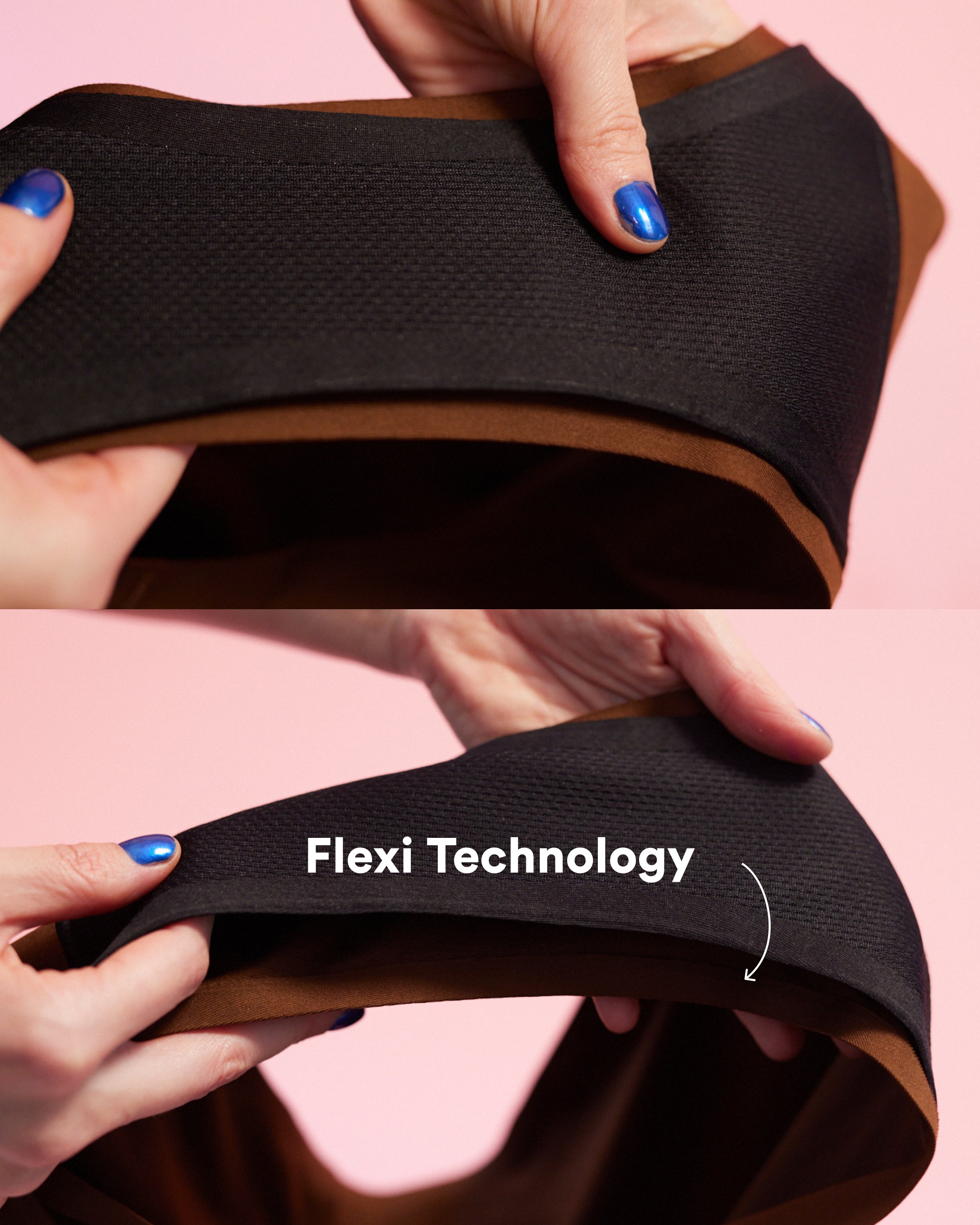
Flexi Technology
The first European panty with regular absorbency and a floating absorbent pad. It conforms to your body and absorbs blood wherever it flows.
Fluid Protection
Prevents leakage on the sides thanks to innovative Fluid Protection seam construction. More leak-proof than ever before.